


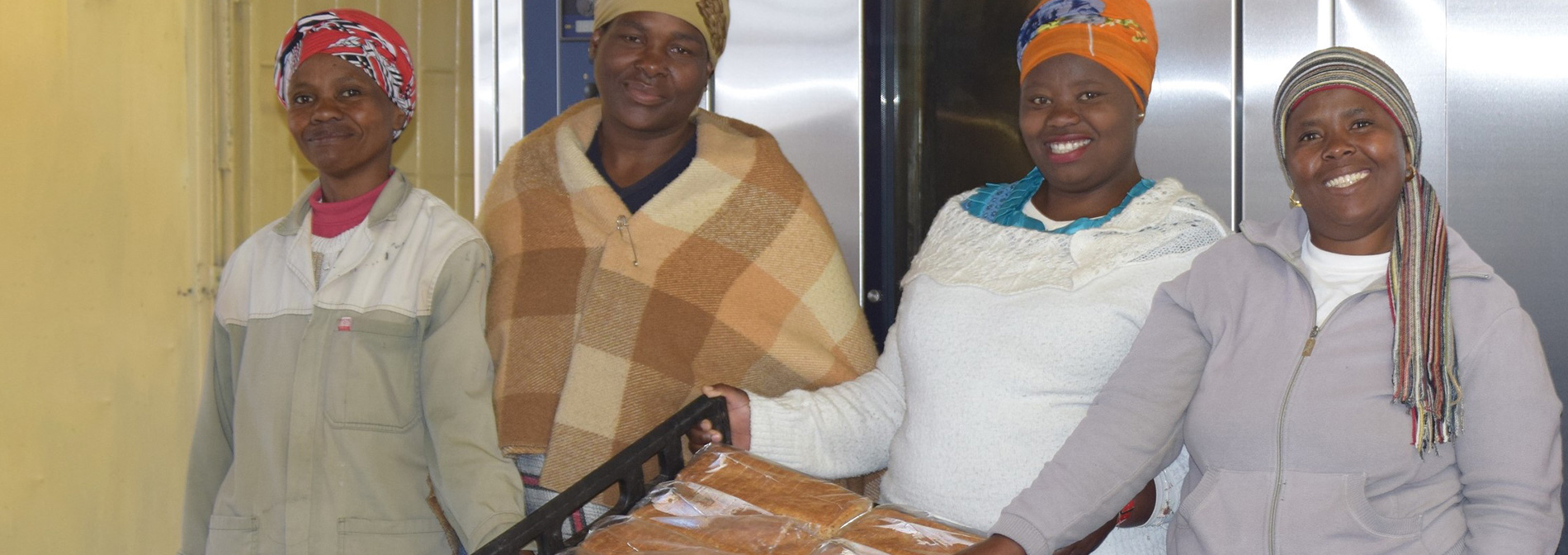
Leratong Bakery Cooperative
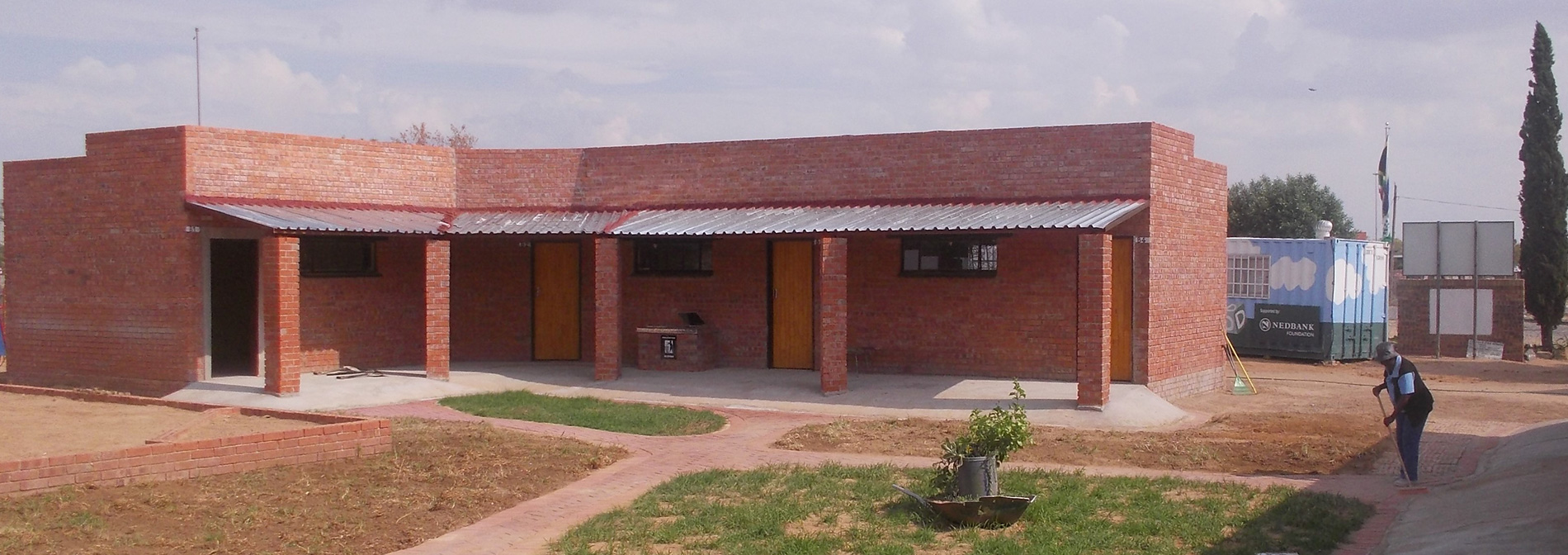
Paballo Day Care Centre
and Pre-School
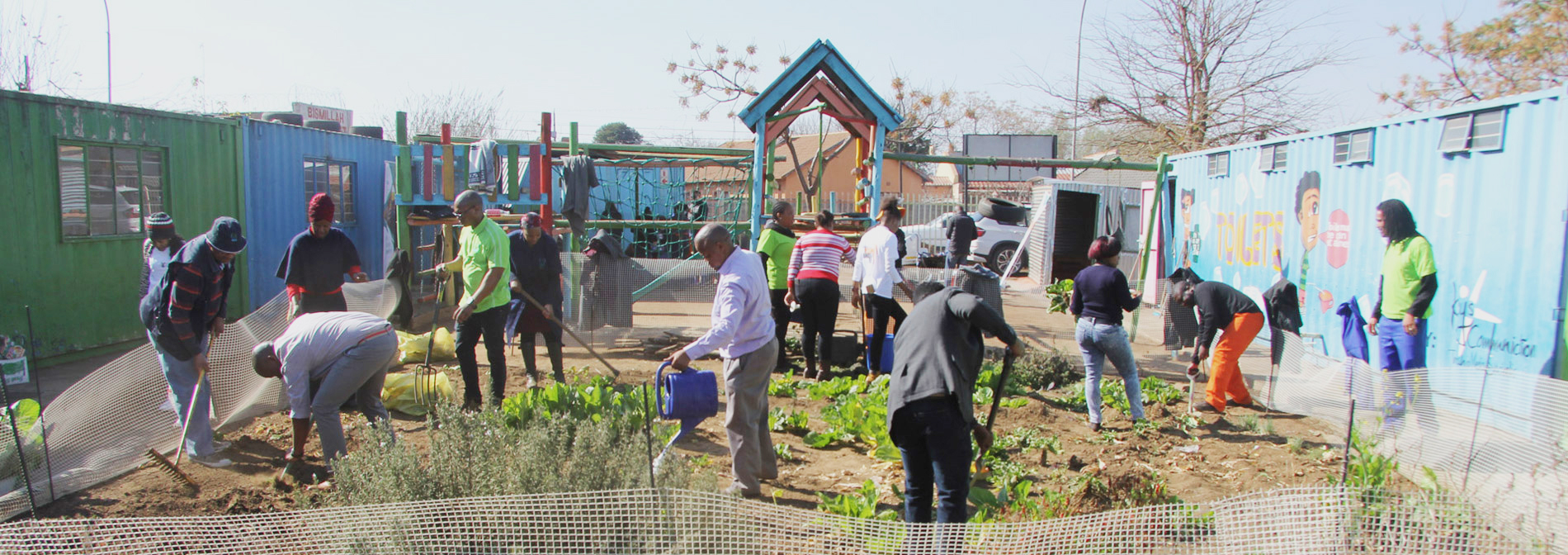
Mapojotana Cooperative
contributing towards the eradication of
poverty in South Africa
The National Development Agency (NDA) is an agency of government that reports to the National Assembly of the Republic of South Africa. The NDA is a public entity that was formed in 1999 as government’s response to the challenge of poverty and its causes in South Africa.
As an agency of government that has the responsibility of contributing towards the eradication of poverty in South Africa and its causes, the NDA in discharging its mandate, has to empower and enhance the capacity of the civil society sector. This will ensure that the NDA helps to build more cohesive communities that are able to tackle the triple threat of poverty, unemployment and inequality.
What we do

News and Events
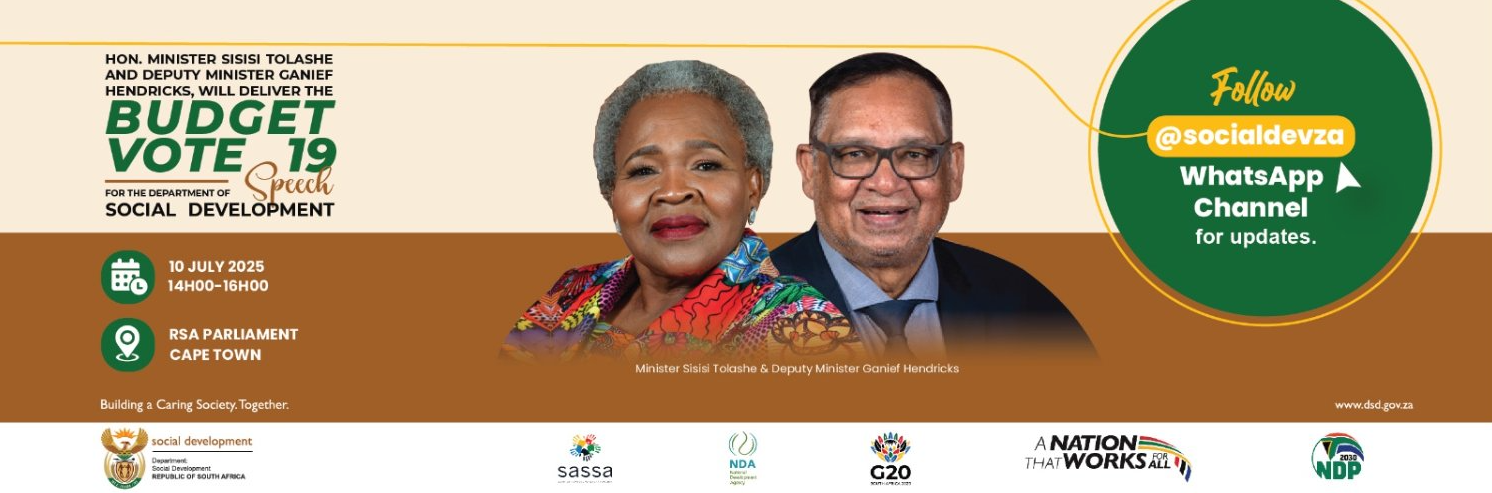
The Minister of Social Development, Ms Sisisi Tolashe will, on Wednesday, 09 July 2025, in acknowledging and amplifying the role of civil society organisations (CSOs) as drivers of sustainable community development, hand over a cheque to the value of R2 394 125, 56 for the establishment of a community bakery, in Kayamandi, Stellenbosch, under the auspices of the Imbadu Community Bakery Cooperative - creating 22 jobs with growth prospects as operations progress.
The Minister of Social Development, Mrs Nokuzola Tolashe Deputy Minister of Social Development, Mr Ganief Ebrahim Hendricks Director-General of Social Development, Mr Peter Netshipale CEO of SASSA, Mr Themba Matlou Our special guests - the youth from all nine provinces Ladies and Gentlemen
The National Development Agency (NDA) is tasked with the responsibility of contributing towards the eradication of poverty in South Africa and its causes. The NDA in discharging its mandate, has to empower and enhance the capacity of the civil society sector. This ensures that the NDA helps to build more cohesive communities that are able to tackle the triple challenges of poverty, unemployment and inequality.
CSO Footprint
NDA provincial offices provide services of registration, training, grant funding with various CSOs. These are CSOs who are participants in our development programme in one way or another.

Overcoming poverty is not a gesture of charity. It is the protection of a fundamental human right, the right to dignity and a decent life
- Nelson Rolihlahla Mandela -